A Practical Guide to Low Moisture Carpet Cleaning
A carpet can look tired long before it is actually worn out. In many Adelaide homes and workplaces, the real issue is trapped soil, oily residue, foot traffic and slow-drying cleaning methods that leave rooms out of action for too long. This guide to low moisture carpet cleaning explains why the method has become a smart option for households, tenants, offices and property managers who want cleaner carpets without the wait.
Low moisture carpet cleaning is designed to use far less water than traditional steam-based methods. That matters for everyday convenience, but it also matters for hygiene, fibre care and reducing the risk of over-wetting. When used correctly, it can lift soil, refresh appearance and return carpets to use far sooner than many people expect.
What low moisture carpet cleaning actually means
The phrase covers several professional methods that clean carpet with controlled moisture rather than saturating the fibres and backing. In simple terms, the cleaning solution is applied sparingly, worked through the pile, then absorbed or extracted along with loosened soil.
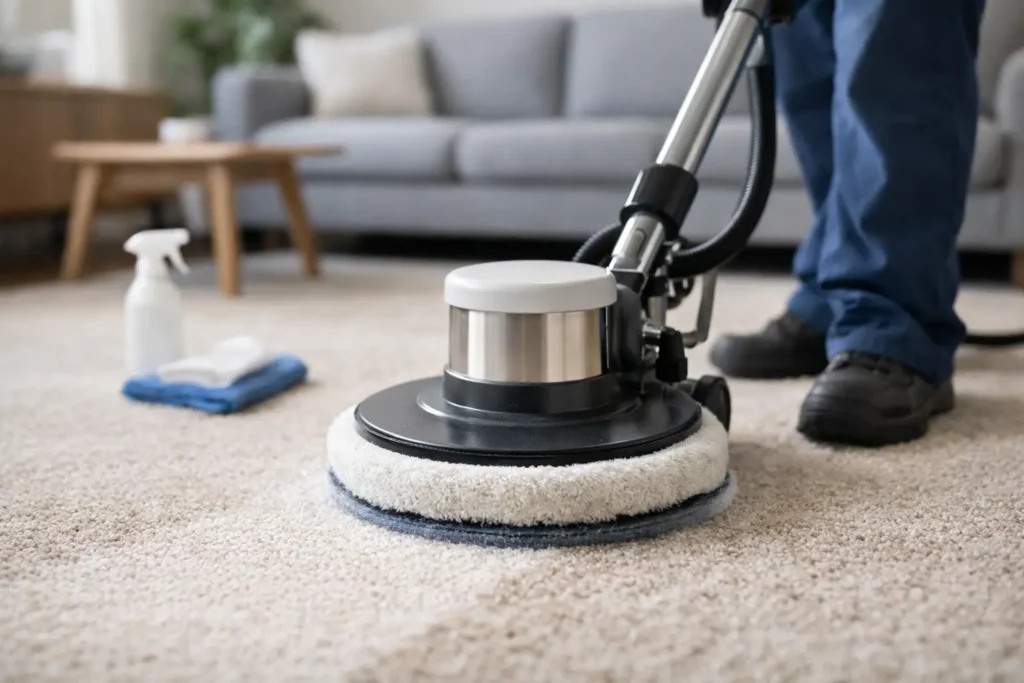
Depending on the carpet type and condition, a technician may use encapsulation, bonnet cleaning, compound cleaning or another dry-clean style system. These approaches vary, but the goal is the same – effective cleaning with quick drying times and less disruption.
That lower water use is not just about convenience. Excess moisture can travel below the carpet face into the underlay or subfloor. If that moisture lingers, it may contribute to odours, wicking, browning or mould risk. A properly chosen low moisture method helps avoid those problems while still delivering a strong cosmetic and hygienic result.
Why this guide to low moisture carpet cleaning matters in real homes and workplaces
For many people, the main appeal is speed. Families do not want children and pets kept out of rooms all day. Offices cannot always shut down traffic areas for extended drying. End-of-lease cleans often run on tight handover schedules. In those situations, quicker drying is more than a nice extra – it is the difference between a practical service and an inconvenient one.
There is also the issue of safety. A carpet that stays damp for too long can attract fresh soil quickly, especially if people walk on it before it is ready. In commercial settings, damp floor surfaces can become a slip concern around entry points or shared areas. Lower moisture methods reduce that window.
For allergy-sensitive households, the choice of cleaning method also affects indoor comfort. A careful, professional low moisture service can remove built-up soil and residues without flooding the carpet with water or leaving behind harsh chemical smells. That suits customers who want a fresher, healthier indoor environment without unnecessary exposure.
How the process usually works
Professional low moisture carpet cleaning starts well before any product touches the carpet. A technician should inspect the fibre type, level of soiling, stains, wear patterns and any existing damage. This step matters because not every carpet responds the same way. Wool, synthetic blends, commercial loop pile and delicate rugs all need a considered approach.
The carpet is then vacuumed thoroughly to remove dry particulate soil. This is one of the most important parts of the job, because loose grit and dust can account for a large share of what makes carpet look dull. After that, spots and heavier traffic lanes are pre-treated with suitable products.
Next comes the low moisture cleaning phase itself. The chosen solution is applied in a controlled amount, agitated through the fibres and then absorbed, crystallised or collected depending on the system being used. The aim is to separate soil from the carpet and remove it efficiently without soaking the backing.
Some providers also finish with antimicrobial treatment or fibre protection where appropriate. When this is done properly, it adds another layer of practical benefit, especially in homes with pets, children or heavy daily use.
When low moisture cleaning is the better choice
This method is especially useful for routine maintenance cleaning, commercial carpet care, apartments, offices, aged care spaces, rental properties and busy family homes. It suits situations where appearance, hygiene and minimal downtime all matter.
It can also be an excellent option for carpets that should not be over-wet, including certain natural fibres or installations where ventilation is poor. In cooler months, when evaporation is slower, reduced water use can make a noticeable difference to drying performance.
For businesses, low moisture cleaning often fits after-hours servicing because carpets are commonly ready for foot traffic much sooner. For homeowners, it means bedrooms, living areas and hallways can return to normal use without the drawn-out damp feeling people often worry about.
Where the method has limits
A trustworthy guide to low moisture carpet cleaning should be clear about trade-offs. Low moisture does not mean miracle cleaning, and it is not automatically the right answer for every carpet.
If a carpet has severe contamination, heavy urine saturation, flood-related moisture, thick mud build-up or deep residue from repeated DIY shampooing, a different method may be needed. In those cases, hot water extraction or specialist restorative treatment can sometimes deliver a deeper flush through the pile and backing.
Stain removal is also never one-size-fits-all. Red wine, ink, rust, old pet stains and bleach damage all behave differently. Some marks can be improved significantly, some can be removed, and some are permanent because the fibre itself has changed. Any professional promising that every stain will disappear is overselling the service.
Drying times and what affects them
One of the biggest questions customers ask is how long the carpet will take to dry. With low moisture cleaning, carpets are often dry within one to three hours, although this varies with carpet thickness, humidity, airflow, temperature and how heavily soiled the carpet was at the start.
A well-ventilated room with lighter pile and mild weather will dry faster than a dense carpet in a closed space on a humid day. Good technicians manage these variables by controlling product use, improving airflow where possible and choosing the right method for the conditions.
Quick drying is not just about comfort. It helps preserve carpet condition, reduces the chance of musty odours and allows normal household or business activity to resume faster.
How to choose a professional service
The safest approach is to look for a provider that explains the method clearly, inspects the carpet before starting and gives realistic expectations around stains, drying and outcomes. Transparent pricing matters too. You should know what is included, whether spot treatment is part of the service, and whether any protection product is optional or built in.
It also helps to choose a company that understands both cleaning performance and indoor hygiene. Safe chemistry, trained technicians and clear service standards are worth more than a cheap quote that leaves residue behind or uses the wrong process for the fibre.
In Adelaide, many customers are specifically looking for fast-drying carpet care that fits around family life or business operations. That is why companies such as Inverclean focus on low moisture systems, safe products and straightforward service rather than pushing a one-method-fits-all solution.
Aftercare makes a difference
Once the carpet is cleaned, a few simple steps help protect the result. Limit heavy traffic until the carpet is fully dry, keep airflow moving through the room and avoid replacing furniture too quickly if protective tabs are required. Regular vacuuming after the clean will also help lift encapsulated soil and maintain the improved finish.
If you have pets, children or a high-traffic entry area, it is worth thinking in terms of maintenance rather than waiting until the carpet looks heavily soiled again. Frequent professional cleaning with an appropriate low moisture method often keeps carpets looking better over time than occasional emergency cleans.
A clean carpet should not come with lingering dampness, uncertainty about what was used, or a room that stays out of action for the rest of the day. The right low moisture approach offers a practical balance of cleanliness, fibre care and convenience – and that balance is often what makes the difference between a carpet that merely looks serviced and one that genuinely feels refreshed.