Antimicrobial Carpet Protection Explained
A carpet can look clean and still hold onto the kind of contamination you do not want lingering underfoot. In busy Adelaide homes and workplaces, soft flooring catches more than visible dirt. It can collect moisture, food residue, pet accidents, tracked-in grime and the organic matter that gives bacteria and fungi a place to settle. That is where antimicrobial carpet protection starts to matter – not as a gimmick, but as a practical extra layer of defence after professional cleaning.
For families, renters, property managers and business owners, the real question is not whether carpets get dirty. They do. The question is how to keep them cleaner, fresher and more hygienic for longer without filling the space with harsh chemicals or long drying times. When applied properly as part of a professional clean, antimicrobial treatment can support indoor hygiene and help reduce the conditions that allow microbial growth to take hold.
What antimicrobial carpet protection actually does
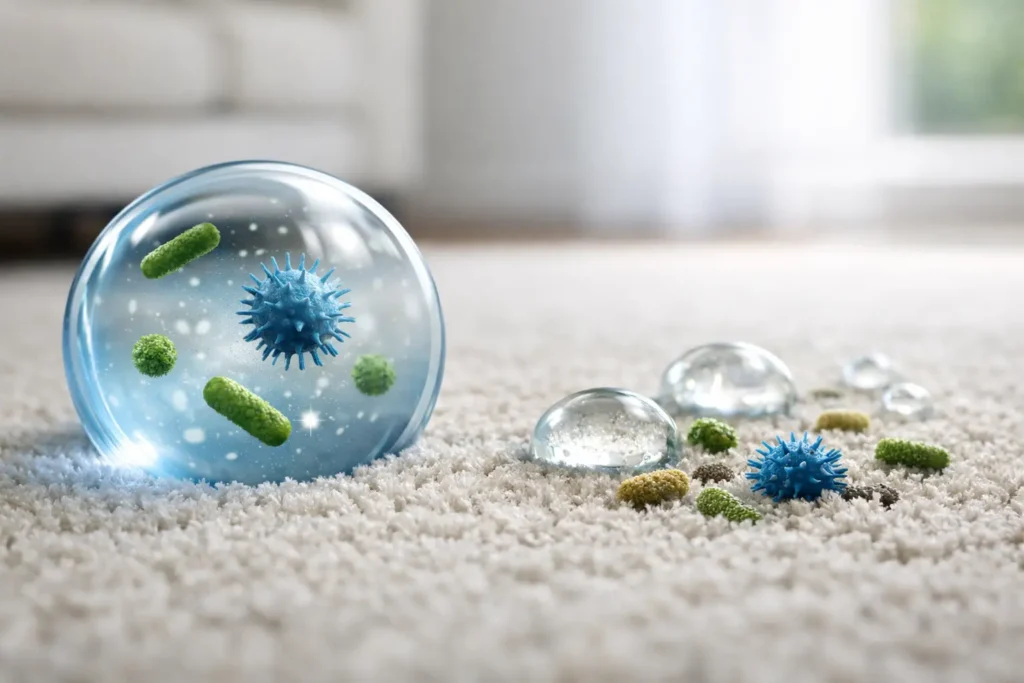
Antimicrobial carpet protection is a treatment applied to carpet fibres after cleaning to help inhibit the growth of certain microorganisms, including bacteria and fungi. It is designed to work on the carpet surface and around the fibres, creating an environment that is less friendly to microbial activity.
That distinction matters. It does not mean your carpet becomes permanently sterile, and it does not replace regular vacuuming or professional cleaning. What it does is help limit microbial growth between cleans, especially in areas exposed to spills, humidity, foot traffic or everyday household mess.
In practical terms, that can mean carpets stay fresher for longer and are less likely to develop the stale odours that often come from trapped organic material. In homes with kids, pets or allergy concerns, that extra protection can make a noticeable difference. In commercial settings, it supports a cleaner, more presentable environment for staff and visitors.
Why carpets need more than surface cleaning
Carpet fibres are excellent at trapping soil, dust and debris. That is one reason carpet can make a room feel more comfortable and quieter than hard flooring. But it is also why a quick vacuum or supermarket spray is rarely enough once contamination gets below the surface.
Spots from drink spills, pet mishaps or damp shoes do not just affect appearance. They can introduce moisture and organic residue into the pile. If that residue is not removed properly, it can become a food source for microbes. In Adelaide properties, where day-to-day traffic mixes with seasonal dust and changing humidity, carpets can lose freshness quickly if they are not maintained well.
Professional dry cleaning helps remove embedded soil and contamination with less downtime than traditional wet methods. When antimicrobial carpet protection is added afterwards, it complements the clean rather than covering up a problem. That order is important. Protection works best on a properly cleaned carpet, not on top of built-up grime.
Where antimicrobial carpet protection makes the most sense
Not every carpet faces the same level of use, and not every property needs the same cleaning plan. This is one of those areas where it depends on how the space is lived in or used.
For residential clients, the strongest case usually comes from homes with children, pets, frequent visitors or anyone sensitive to indoor hygiene issues. Bedrooms, lounges, hallways and shared family areas tend to carry the heaviest load. If the carpet regularly sees muddy shoes, food crumbs, pet hair or accidental spills, antimicrobial treatment adds sensible protection.
For rental properties and end-of-lease cleaning, it can also be valuable. Property managers and tenants both benefit from carpets that look refreshed and smell cleaner, but hygiene matters just as much as presentation. A professionally cleaned and protected carpet gives the next occupant a better starting point.
In commercial spaces, the benefit is often about consistency. Offices, reception areas, meeting rooms and other high-traffic zones need to stay presentable between scheduled cleans. Antimicrobial treatment can help support a cleaner feel in spaces where many people walk through daily and where appearance reflects directly on the business.
What it does not do
A trustworthy cleaning company should be clear about the limits as well as the benefits. Antimicrobial carpet protection is useful, but it is not magic.
It does not stop dirt from entering the building. It does not remove stains by itself. It does not replace prompt attention to spills, and it does not eliminate the need for regular vacuuming and periodic professional cleaning. If a carpet has existing damage, mould growth or severe contamination, those issues need direct treatment first.
It is also not a substitute for fixing the source of moisture. If a room has poor ventilation, recurring leaks or dampness under the carpet, protection alone will not solve the problem. The underlying cause has to be addressed, otherwise the carpet will continue to face avoidable hygiene issues.
How professional application makes the difference
The effectiveness of any protective treatment depends heavily on how it is applied. A patchy, rushed job will not deliver the same result as a treatment added as part of a proper cleaning process.
Professional technicians first need to remove dry soil, embedded grime and residues from the carpet. Once the fibres are clean, the antimicrobial product can be applied evenly so it bonds correctly and supports more consistent coverage. This is one reason professional services tend to outperform DIY sprays bought off the shelf. Consumer products may promise similar outcomes, but they are often limited by weaker application methods and by the fact that household users are trying to protect carpets that have not been deeply cleaned first.
A good service should also consider the carpet type, the room’s use and the drying method. Fast drying is particularly important in occupied homes and businesses because lingering moisture can work against the hygiene goals of the clean. For that reason, many clients prefer dry cleaning systems that restore the carpet without leaving it wet for extended periods.
Safety matters as much as performance
For many Adelaide households, especially those with children, pets or allergy sensitivities, the biggest concern is not whether protection sounds helpful. It is whether the treatment is safe.
That is a fair question. Carpet care products should never be judged on marketing alone. Customers need clear information about what is being used in their home or workplace, whether it is suitable for occupied spaces, and how it fits into an eco-friendly cleaning approach.
When antimicrobial protection is part of a professional system built around safe chemistry and certified processes, it offers a better balance between performance and peace of mind. The goal is not to overwhelm the room with strong-smelling products. The goal is to improve hygiene while keeping the environment comfortable and practical for everyday use.
This is also where experience counts. Different fibres, levels of wear and contamination types call for different handling. A technician who understands carpet construction and indoor hygiene can make better decisions than a one-size-fits-all service.
Antimicrobial carpet protection and long-term carpet care
The most useful way to think about antimicrobial carpet protection is as part of a broader maintenance plan. It is not a once-and-done fix. It is one layer in a system that includes regular vacuuming, fast attention to spills, scheduled professional cleaning and sensible moisture control.
That approach tends to produce better results than waiting until the carpet looks tired, smells off or shows visible staining. By then, the problem is usually deeper than appearance. Preventive care is cheaper, less disruptive and better for carpet life.
For property owners and managers, that matters financially as well as hygienically. Cleaner, better-maintained carpet can help reduce premature wear and protect the overall presentation of the space. For households, it means a room that feels fresher to live in. For businesses, it supports a workplace that looks cared for and professional.
Some companies include antimicrobial treatment as part of their standard carpet and upholstery cleaning service. When that is backed by transparent pricing, fast drying methods and a clear satisfaction guarantee, it becomes easier for customers to choose a service based on value rather than guesswork. That practical, no-fuss approach is exactly why many Adelaide clients look for a local specialist instead of taking chances with a basic clean.
If your carpet sees real life – muddy feet, pets, office traffic, snack spills, daily wear – then keeping it hygienic takes more than appearances. Antimicrobial carpet protection is not about making big promises. It is about giving a professionally cleaned carpet a better chance to stay fresh, healthier and ready for whatever the week throws at it.